Goodbye Kindergarten Hello 1st Grade: A Seamless Transition for Back to School
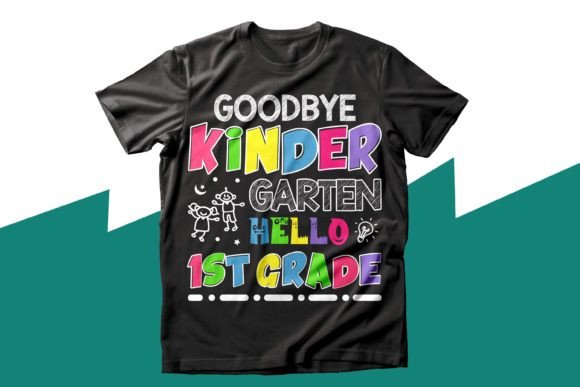
The phrase "Goodbye Kindergarten Hello 1st Grade" captures a pivotal moment in a child's educational journey. It marks the shift from the playful, exploratory environment of kindergarten to the structured, more academic setting of first grade. This transition is not just a change in grade level—it's a milestone that affects families, educators, and the broader community. For those involved in creating or distributing back-to-school merchandise, this phrase serves as a powerful design theme that resonates emotionally and practically.
Whether you're a parent preparing for the first day of school, an educator looking for classroom materials, or a designer crafting t-shirts and other promotional items, understanding how to effectively use "Goodbye Kindergarten Hello 1st Grade" in your workflow can make a significant difference. This article explores how this concept fits into various processes and how it can be implemented with precision and creativity.
Understanding the Concept in Context
"Goodbye Kindergarten Hello 1st Grade" is more than just a catchy phrase—it's a narrative that reflects growth, change, and new beginnings. It speaks to the emotional and developmental stages children experience as they move from one educational phase to another. For parents, it represents the bittersweet reality of their child growing up. For educators, it signals the need for new strategies and resources to support young learners.
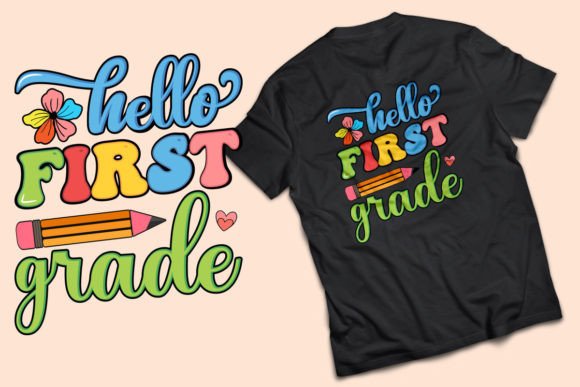
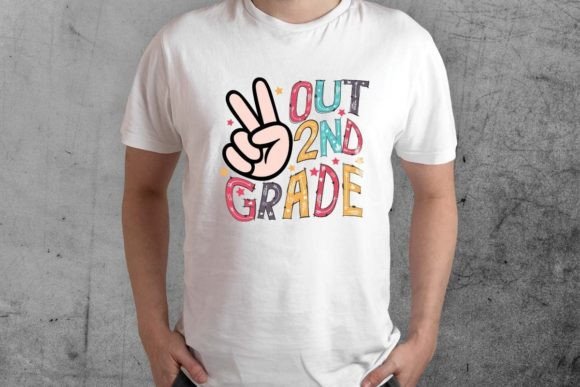
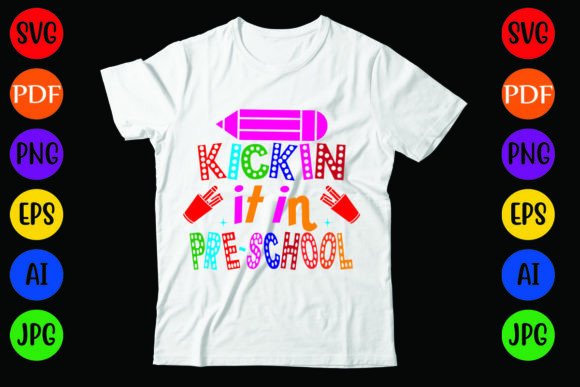
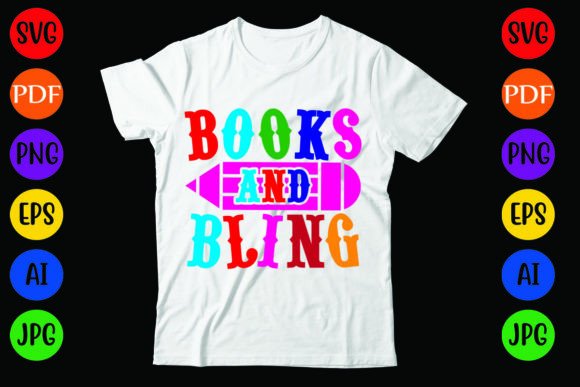
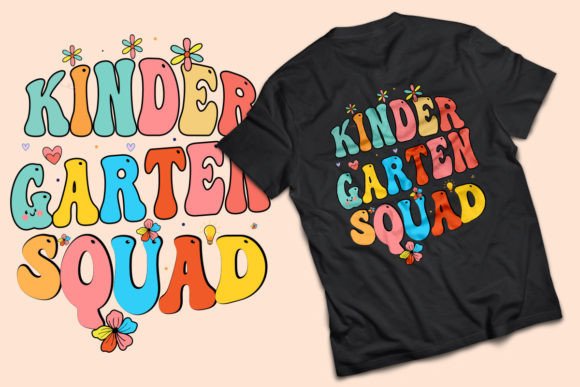
This concept also plays a role in marketing and product design. T-shirt graphics and merchandise featuring this phrase are often used to celebrate the transition, offering a sense of nostalgia and excitement. These designs are particularly popular during back-to-school seasons, when consumers seek meaningful and personalized items.
Integrating the Design into Your Workflow
For designers, marketers, and small business owners, incorporating "Goodbye Kindergarten Hello 1st Grade" into your workflow requires careful planning and execution. The design must be both visually appealing and functionally sound, especially if it's intended for screen printing or digital printing. High-quality files in formats like AI, EPS, and PNG ensure compatibility across different platforms and printing methods.
When designing for print, consider the following factors:
- Resolution: Ensure images are at least 4500x5400 pixels to maintain clarity on printed materials.
- Color Accuracy: Use vector files to allow for easy color changes and adjustments without compromising quality.
- Scalability: Design elements should remain sharp and clear at any size, whether on a t-shirt or a poster.
These considerations help maintain consistency and professionalism, which are essential for brand recognition and customer satisfaction.
Practical Applications and Use Cases
The "Goodbye Kindergarten Hello 1st Grade" design can be used in multiple ways, depending on your goals and audience. Here are some practical applications:
- Back-to-School Campaigns: Use the design to create promotional materials that highlight the transition from kindergarten to first grade. This could include social media posts, email newsletters, or printed flyers.
- Custom Apparel: Print the design on t-shirts, hoodies, or hats for schools, daycare centers, or family events. These items serve as memorable keepsakes and promote a sense of community.
- Classroom Decor: Incorporate the design into bulletin boards, posters, or student workspaces to create a welcoming and encouraging environment for first graders.
- Marketing Assets: Use the design in brochures, banners, or signage for businesses that cater to children, such as tutoring centers, after-school programs, or toy stores.
Each application requires a different approach, but the core principles of quality, clarity, and usability remain consistent.
Collaboration and Integration with Other Tools
Designing and implementing "Goodbye Kindergarten Hello 1st Grade" often involves collaboration with other tools, resources, and teams. For example:
- Graphic Design Software: Tools like Adobe Illustrator or CorelDRAW are essential for creating scalable vector graphics that can be easily edited and resized.
- Printing Services: Work with print providers who understand the nuances of screen printing and digital printing to ensure the final product meets your standards.
- Project Management: Use project management platforms to track the progress of design, approval, and production phases, ensuring timely delivery and minimizing errors.
By integrating these tools into your workflow, you can streamline the process and reduce the risk of delays or inconsistencies.
Workflow Examples and Best Practices
To illustrate how "Goodbye Kindergarten Hello 1st Grade" can be incorporated into real-world workflows, consider the following examples:
- Design Phase: Start by sketching the concept and refining it in a vector-based program. Ensure all elements are editable and scalable for future use.
- Approval Process: Share the design with stakeholders for feedback. Use version control to keep track of changes and maintain a clear audit trail.
- Production: Export the final files in the required formats (AI, EPS, PNG) and send them to the printer. Double-check resolution, color profiles, and file integrity before proceeding.
- Post-Production: Monitor the quality of the printed materials and address any issues promptly. Collect customer feedback to improve future projects.
Following these steps ensures that the design is executed efficiently and effectively, meeting both creative and practical objectives.
Long-Term Use and Maintenance
Once the design is created and printed, its value extends beyond the initial use. Consider the long-term implications of using "Goodbye Kindergarten Hello 1st Grade" in your work:
- Reusability: Store the design files securely so they can be reused or modified for future projects, saving time and resources.
- Brand Consistency: Maintain a cohesive look and feel across all materials that feature the design to reinforce brand identity and recognition.
- Customer Engagement: Use the design as part of ongoing marketing efforts, such as seasonal promotions or anniversary campaigns, to keep your audience engaged.
By planning for long-term use, you can maximize the return on your investment and build a stronger connection with your audience.